

The evolution of gambling through the ages A historical perspective
Origins of Gambling
The roots of gambling can be traced back to ancient civilizations, where various forms of chance-based games were played. Archaeological evidence suggests that as far back as 3000 BC, the Chinese engaged in rudimentary gambling activities, which included betting on the outcomes of games and events. The use of dice in gambling also emerged in ancient Mesopotamia, where early dice made from materials like bones were discovered. This laid the groundwork for the evolution of gambling into a popular pastime, much like the thrilling experience of an Ice Fishing demo that brings excitement to modern players.

As societies progressed, gambling found its way into the fabric of social and cultural life. The Greeks, for example, enjoyed games of chance at festivals, while the Romans organized betting on gladiatorial games and chariot races. These early forms of gambling demonstrated not only the appeal of risk-taking but also the community aspect of wagering, which has remained a significant part of gambling culture through the ages.
Gambling in the Middle Ages
The Middle Ages saw a shift in gambling practices, especially in Europe. While the Church often condemned gambling as sinful, underground gambling activities thrived. Card games began to gain popularity in this era, with the invention of playing cards in the late 14th century. These cards became a canvas for various games that involved betting, further diversifying the gambling landscape.
This period also witnessed the establishment of the first official gambling houses, or casinos, primarily in Italy. The Casino di Venezia, founded in 1638, is often regarded as one of the first formal casinos, offering a structured environment for gambling that attracted nobility and commoners alike. The rise of these establishments signaled the beginning of organized gambling, paving the way for modern casino culture.
The Age of Enlightenment and Gambling Regulation
The Age of Enlightenment brought forth new ideas about personal freedom and societal structures, which included gambling. During this time, many governments began to regulate gambling to harness its economic potential. In the 18th century, various forms of lotteries were sanctioned as a way to fund public projects, making gambling a legitimate source of revenue.
This regulatory phase also saw the rise of betting on horse racing, which became an immensely popular form of gambling in England. The establishment of the Jockey Club in the 18th century regulated horse racing betting, further legitimizing the practice. This era marked a significant turning point in how gambling was perceived, evolving from a socially taboo activity to an accepted, albeit regulated, pastime.
Modern Gambling and Technological Advancements
The 20th century ushered in a technological revolution that transformed gambling practices. The introduction of slot machines and electronic gaming devices in the early 1900s revolutionized the gaming experience, making it more accessible to the general public. Las Vegas emerged as the gambling capital of the world, attracting tourists and players seeking both entertainment and fortune.
The advent of the internet in the late 20th century further reshaped the gambling landscape. Online casinos and sports betting platforms emerged, providing players with the convenience of gambling from the comfort of their homes. This shift not only expanded the audience for gambling but also introduced new regulations and challenges concerning fairness and security in online gaming.
Exploring Today’s Gambling Landscape
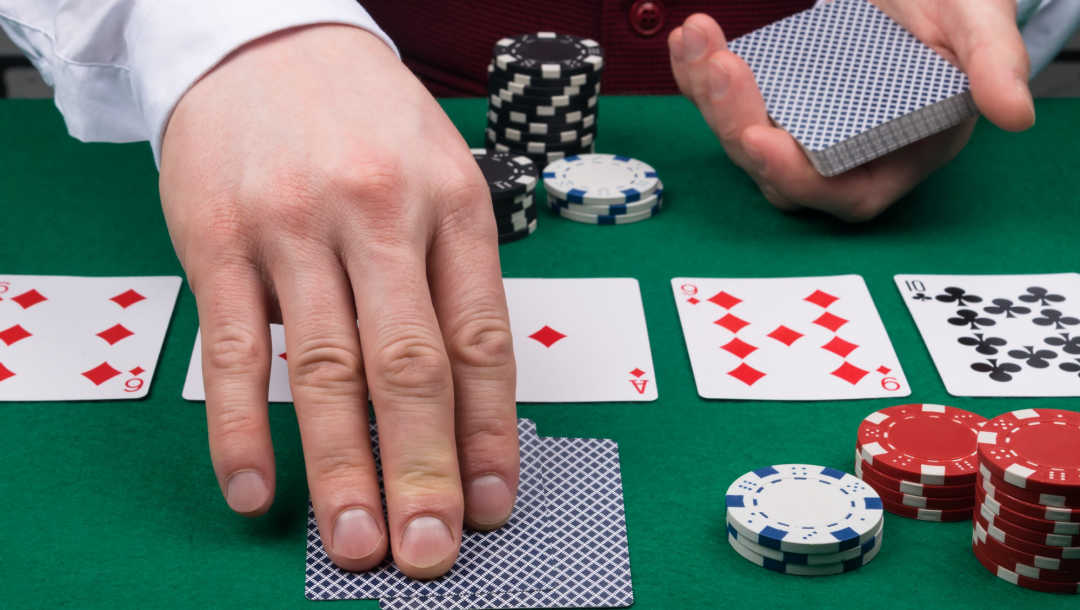
Today, gambling is a multifaceted industry with various forms, including traditional casinos, online platforms, and sports betting. The modern landscape is characterized by an emphasis on user experience, with live dealer games and interactive environments becoming increasingly popular. Players now have access to a wide range of games, including unique innovations like live casino experiences.
As we move forward, gambling continues to evolve, adapting to technological advancements and cultural shifts. It remains a significant aspect of entertainment and leisure, connecting people through shared experiences. Understanding the historical context of gambling not only enriches our appreciation for the activity but also informs its future trajectory in an ever-changing world.