

Understanding the psychology behind your gambling habits
The Compulsion to Gamble
The psychological urge to gamble can often stem from a combination of personal desires, environmental influences, and biological predispositions. Many individuals are drawn to gambling as a source of excitement and thrill, seeking an escape from the mundane aspects of everyday life. This escapism is often reinforced by the adrenaline rush associated with potential winnings. For some, the act of placing a bet can serve as a temporary distraction from stress or emotional pain, creating a pattern of behavior that becomes hard to break. As you explore options, consider an instant withdrawal casino that enhances your gaming experience.
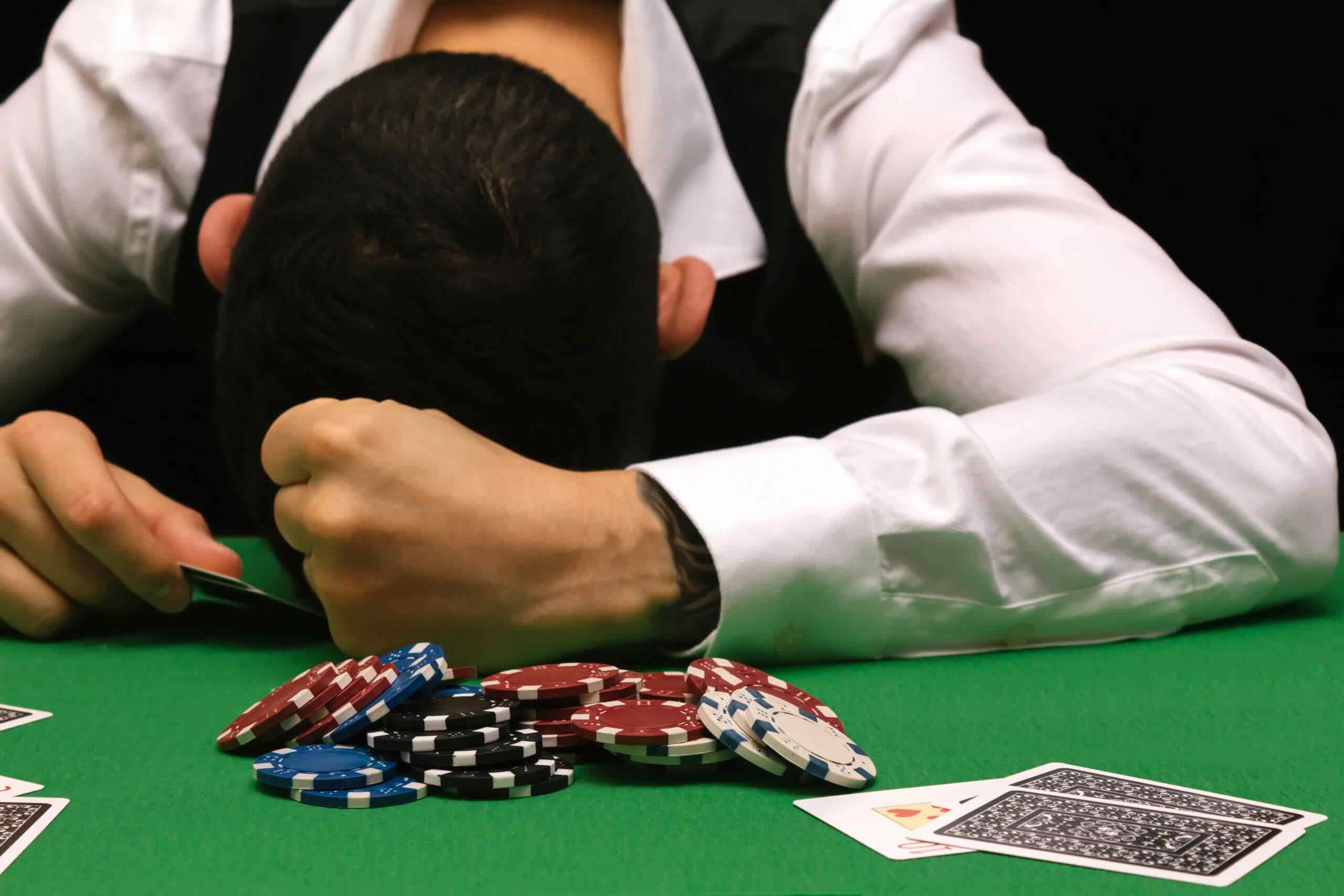
Research shows that gambling can trigger the brain’s reward system, releasing neurotransmitters like dopamine, which are responsible for feelings of pleasure and satisfaction. This biological response can make the act of gambling particularly appealing, leading individuals to chase wins even when they suffer losses. The cycle of gambling and the corresponding emotional highs and lows contribute to developing compulsive gambling habits, making it difficult for individuals to recognize when their behavior is becoming problematic.
Moreover, social and environmental factors can play a significant role in the compulsion to gamble. Peer pressure, advertising, and the accessibility of gambling options can intensify the urge to participate. Gamblers may find themselves in social settings where gambling is normalized, thus reinforcing their behavior. This blending of social and psychological elements can further entrench their habits, making it imperative for individuals to gain self-awareness about their motivations and triggers.
The Role of Cognitive Biases
Cognitive biases significantly impact how individuals perceive gambling outcomes, often leading them to make irrational decisions. For instance, the “gambler’s fallacy” is a prevalent belief where individuals assume that past outcomes will influence future ones. This misconception can lead them to believe that after a series of losses, a win is imminent. This flawed thinking often drives players to gamble more, attempting to recoup their losses rather than recognizing the inherent randomness of games.
Another cognitive bias is the illusion of control, where gamblers believe they can influence the outcome of a game through skill or strategy, even in games that are primarily based on chance. This false sense of control can prompt individuals to engage in gambling more frequently, often leading to increased spending and further entrenchment in their habits. Understanding these cognitive biases is crucial for those looking to modify their gambling behavior, as it can help them develop a more rational approach toward betting.
These cognitive distortions can lead to a cycle of hope and disappointment, keeping individuals trapped in a loop of gambling activity. By recognizing these biases, gamblers can take steps to mitigate their impact, such as setting strict budgets or employing self-imposed time limits. Gaining insight into these psychological tendencies is essential for fostering healthier gambling practices and cultivating a more mindful approach to gaming.
The Emotional Impact of Gambling
Gambling is not merely a financial activity; it is deeply intertwined with emotional experiences. The thrill of potential winnings can evoke feelings of euphoria, while losses can lead to a range of negative emotions, including shame, guilt, and anxiety. Many gamblers may use gambling as a coping mechanism to deal with these emotions, perpetuating a cycle that is hard to escape. This relationship between gambling and emotional states can significantly impact an individual’s well-being.
Moreover, the emotional impact of gambling can extend beyond the individual to their relationships and social interactions. Friends and family members may feel the repercussions of a loved one’s gambling habits, leading to feelings of betrayal, resentment, and frustration. The emotional toll can create rifts in relationships, adding another layer of complexity to the issue. Understanding how gambling influences emotions is vital for those affected, as it can provide pathways for healing and self-reflection.
Additionally, many gamblers may struggle with a sense of isolation due to their habits. They may feel embarrassed or stigmatized, which can prevent them from seeking help. Acknowledging the emotional aspects of gambling is crucial in addressing these challenges and fostering a supportive environment. Recognizing and addressing the emotional triggers associated with gambling can empower individuals to make healthier choices and seek the support they need.
Strategies for Managing Gambling Behavior
Understanding the psychological aspects of gambling is the first step toward managing gambling behavior effectively. Individuals seeking to modify their gambling habits can employ various strategies to help regain control. One effective approach is setting clear limits on time and money spent gambling. By establishing personal boundaries, individuals can reduce impulsive gambling and promote a more mindful approach to their habits.
In addition to setting limits, self-reflection is essential for understanding personal triggers and motivations behind gambling behaviors. Keeping a gambling diary can help individuals track their gambling activity and emotional states, revealing patterns that they may not have recognized before. By identifying these triggers, individuals can develop strategies to cope with cravings and avoid situations that may lead to gambling.
Support groups and professional counseling can also provide invaluable assistance for those struggling with gambling. Sharing experiences with others who understand the challenges can foster a sense of community and reduce feelings of isolation. Additionally, professional guidance can help individuals address underlying psychological issues and develop coping strategies tailored to their needs.

Your Go-To Source for Responsible Gambling
At Fast Withdrawal Casino Canada, we understand the importance of responsible gambling practices and the psychological aspects that come with it. Our mission is to provide you with the resources and insights you need to make informed decisions about your gambling habits. Whether you’re a novice or an experienced player, our comprehensive reviews and recommendations ensure you find the most suitable online casinos for your gaming experience.
We recognize that gambling can be a source of entertainment, but it should never compromise your financial or emotional well-being. That’s why we prioritize safe gaming practices, promoting self-awareness and mindfulness in your gambling activities. Our dedicated team is here to guide you through your online gaming journey, empowering you to make choices that align with your values and lifestyle.
Ultimately, understanding the psychology behind your gambling habits is essential for fostering healthier gaming practices. By combining knowledge with responsible gaming resources, you can enjoy a balanced and fulfilling gambling experience while minimizing the risks involved. Remember, awareness and self-reflection are key components in navigating the complex world of gambling.